Lifestyle Adjustments to Support Hair Growth
Nov 15, 2026
Overview
If thinning hair has been a concern, adopting specific lifestyle changes can significantly improve your hair's health and growth. Focusing on a balanced diet rich in essential nutrients, staying hydrated, managing stress, and adjusting your hair care routine can create the ideal conditions for vibrant, strong locks. By integrating these practical strategies into your daily life, you can enhance your appearance and boost your confidence.
Table of Contents
- Understanding Hair Health
- Diet for Healthier Hair
- Essential Nutrients for Hair Growth
- Sample Meal Plan for Healthier Hair
- Hydration and Hair Health
- Exercises for Promoting Hair Growth
- Types of Exercise Beneficial for Hair Health
- The Importance of Stress Reduction and Hair Health
- Stress Reduction Techniques
- Sleep and Hair Growth
- Hair Care Routine Adjustments
- Gentle Hair Care Practices
- Supplements for Enhanced Hair Health
- The Final Piece of the Puzzle
Key Takeaways
- Balanced Diet: Incorporate protein, vitamins A, C, D, E, iron, zinc, and omega-3 fatty acids into your meals for optimal hair health.
- Hydration: Aim for at least eight glasses of water daily to keep your scalp hydrated and support hair follicles.
- Regular Exercise: Engage in cardiovascular activities, yoga, and strength training to improve blood circulation to the scalp.
- Stress Management: Utilize techniques like meditation, deep breathing, and enjoyable physical activities to reduce stress levels.
- Quality Sleep: Establish a routine that allows for 7-9 hours of restorative sleep each night to support hair growth.
- Gentle Hair Care: Avoid harsh chemicals, limit heat styling, and get regular trims to maintain healthy hair.
- Consider Supplements: Consult a healthcare provider about supplements like biotin, vitamin D, and collagen to enhance hair health.
Pros and Cons
| Advantages of Lifestyle Changes for Hair Health | Drawbacks of Lifestyle Changes for Hair Health |
|---|---|
| Improved hair growth through a balanced diet rich in essential nutrients. | Requires commitment and consistency, which can be challenging to maintain. |
| Increased hydration supports scalp health and nutrient delivery. | May involve significant changes to daily routines, which can be inconvenient. |
| Regular exercise enhances blood circulation to hair follicles. | Initial costs for supplements or healthier food options can add up. |
| Stress reduction techniques promote overall well-being and hair health. | Results may take time to become noticeable, leading to potential frustration. |
| Gentle hair care practices reduce damage and promote healthier hair. | Some individuals may struggle to find suitable products free of harsh chemicals. |
Who It's For (And Not For)
Who It's For
- Individuals Struggling with Thinning Hair: If you are experiencing hair loss or thinning, this guide offers practical strategies to promote hair growth and improve overall hair health.
- Health-Conscious Individuals: Those who prioritize a balanced diet, regular exercise, and stress management will find valuable tips to enhance their hair's vitality.
- People Open to Lifestyle Changes: If you are willing to make adjustments to your daily routine, such as improving your diet or hair care practices, you can significantly benefit from this guide.
Who It's Not For
- Individuals Seeking Quick Fixes: If you are looking for immediate solutions or miracle products for hair growth, this guide may not meet your expectations, as it emphasizes gradual lifestyle changes.
- People Unwilling to Change Habits: If you are not ready to implement new dietary practices, exercise routines, or stress management techniques, the strategies outlined may not be effective for you.
- Those with Underlying Medical Conditions: If your hair loss is due to a medical condition, it is important to consult a healthcare professional rather than relying solely on lifestyle changes.
If you’ve been struggling with thinning hair or just want to make sure your locks are as healthy as possible, considering various lifestyle changes can be a game-changer. This comprehensive guide walks you through effective strategies that can enhance hair growth and overall hair health. By integrating these habits into your daily routine, you can create the optimal conditions for thriving hair, transforming your appearance and boosting your confidence along the way.
Understanding Hair Health
Before we dive into specific lifestyle changes for hair growth, it's essential to grasp the basics of hair structure and the factors influencing hair health. Hair is composed mainly of a protein called keratin. The health of your hair is intricately related to your diet, hydration levels, stress management, and overall lifestyle. Thinning hair can often result from genetic predispositions, hormonal changes, or environmental factors, but many aspects of hair health can be positively influenced by making conscious lifestyle adjustments.
Diet for Healthier Hair
Your diet plays a crucial role in determining the health and growth of your hair. A balanced diet filled with essential nutrients is key to promoting strong and vibrant locks.
Essential Nutrients for Hair Growth
- Protein: Since hair is primarily made up of protein, consuming adequate amounts is vital. Incorporate lean meats, eggs, dairy, legumes, and nuts into your meals.
- Vitamins: Vitamins A, C, D, and E are significant for hair health. These vitamins can be found in a variety of fruits and vegetables, such as carrots, spinach, and avocados.
- Minerals: Iron and zinc are crucial for hair growth. Foods like red meat, spinach, and pumpkin seeds should be included in your diet.
- Omega-3 Fatty Acids: Found in fish, flaxseeds, and walnuts, these healthy fats can improve scalp health and nourish hair follicles.
Sample Meal Plan for Healthier Hair
Creating a sample meal plan focused on nutrients can help you stay on track:
- Breakfast: Scrambled eggs with spinach and whole-grain toast.
- Lunch: Grilled salmon salad with mixed greens, avocado, and walnuts.
- Snack: Greek yogurt with berries and a sprinkle of flaxseeds.
- Dinner: Quinoa with black beans, roasted vegetables, and a side of fruit.
Hydration and Hair Health
Staying hydrated is another critical factor in achieving and maintaining healthy hair. Water helps deliver vital nutrients to your hair follicles and keeps your scalp hydrated. Aim to drink at least eight glasses of water a day, and more if you’re physically active or live in a hot climate.
Exercises for Promoting Hair Growth
Regular physical activity not only supports overall health but also promotes hair growth through improved blood circulation and heightened nutrient transport to hair follicles.
Types of Exercise Beneficial for Hair Health
- Cardiovascular Exercises: Activities like jogging, cycling, and dancing can increase blood flow and oxygen to the scalp.
- Yoga: Specific poses can help improve circulation and reduce stress levels, which is beneficial for hair growth.
- Strength Training: Lifting weights can also enhance circulation and metabolic rate, benefiting overall hair health.
The Importance of Stress Reduction and Hair Health
Unmanaged stress is a significant factor contributing to hair loss. Chronic stress can lead to hair shedding and has been linked to conditions such as telogen effluvium, where hair falls out in large amounts due to stress-induced changes to hair growth cycles. Therefore, finding effective ways to manage stress is vital.
Stress Reduction Techniques
- Meditation: Practicing mindfulness can help calm the mind and reduce anxiety.
- Deep Breathing Exercises: These can quickly center your focus and alleviate stress.
- Physical Activities: Engage in hobbies or exercises that make you feel good, whether through sports, dance, or even leisure walks.
Sleep and Hair Growth
Quality sleep is often overlooked but is essential for overall wellness, including hair health. During deep sleep, your body undergoes various restorative processes, supporting hair growth and regeneration.
- Establish a Sleep Routine: Aim for 7-9 hours of quality sleep each night.
- Create a Relaxing Sleep Environment: This may include comfortable bedding, dim lights, and a cool room temperature.
- Limit Screen Time: Avoid screens for at least an hour before bed to promote better sleep quality.
Hair Care Routine Adjustments
Besides lifestyle changes, the way you treat your hair matters significantly. Implement these hair care routine adjustments to foster a healthy environment for hair growth.
Gentle Hair Care Practices
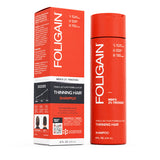
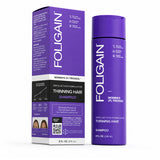
- Avoid Harsh Chemicals: Steer clear of sulfates and parabens in shampoos and conditioners, as these can strip hair of essential oils.
- Limit Heat Styling: Frequent use of heat-styling tools can damage your hair. Instead, embrace natural styles when possible.
- Regular Trims: Getting regular haircuts can help eliminate split ends and keep hair looking healthy.
Supplements for Enhanced Hair Health
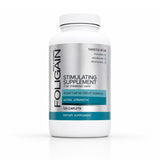
If you struggle to get adequate nutrients through your diet alone, consider incorporating dietary supplements that are known to support hair health. However, consult with a healthcare provider before starting any new supplement regimen.
Common supplements that might be beneficial include:
- Biotin: Often touted for supporting hair growth.
- Vitamin D: Plays a role in the hair growth cycle.
- Collagen: Supports skin and hair health, providing amino acids essential for hair structure.
The Final Piece of the Puzzle
Embarking on a journey to improve hair growth through lifestyle adjustments requires patience and consistency. By adapting your diet, implementing regular exercise, managing stress, and practicing good hair care routines, you can create the optimal environment for thriving hair. Remember, it's not just about adding new habits but also about removing detrimental factors that could hinder your progress. Your hair deserves the best care possible, and with these changes, you're well on your way to achieving the healthy, vibrant hair you've always desired.
For those serious about implementing effective strategies for fuller hair, staying informed and committed to these lifestyle changes for hair growth will yield tremendous benefits. Embrace the process and let your hair flourish!
Frequently Asked Questions
1. What lifestyle changes can improve hair growth?
2. What nutrients are essential for healthier hair?
3. How does hydration affect hair health?
4. What role does stress play in hair loss?
5. Are there any supplements that can support hair health?
Glossary
| Term | Meaning |
|---|---|
| Keratin | A protein that makes up hair, crucial for its strength and structure. |
| Essential Nutrients | Vitamins and minerals necessary for healthy hair growth. |
| Omega-3 Fatty Acids | Healthy fats that nourish hair follicles and improve scalp health. |
| Telogen Effluvium | A condition where stress causes excessive hair shedding. |
| Biotin | A vitamin often recommended for promoting hair growth. |
| Hydration | Maintaining water intake to support hair follicle health. |
| Stress Reduction | Techniques to lower stress levels, which can benefit hair health. |
| Heat Styling | Using tools like blow dryers and straighteners that can damage hair. |
| Regular Trims | Frequent haircuts to remove split ends and maintain hair health. |
| Quality Sleep | Restorative sleep essential for overall health, including hair growth. |
Linked Product

FOLIGAIN® Triple Action Complete Formula For Thinning Hair For Men 10% TRIOXIDIL®
The FOLIGAIN® Triple Action Complete Formula For Thinning Hair for Men features 10% TRIOXIDIL®, a complex designed to support thicker-looking hair and a healthier scalp environment. This lightweight formula utilizes advanced delivery technology to effectively provide nutrients to targeted areas, making it easy to apply for those experiencing thinning hair. Clinically proven to help prevent hair loss when used as directed, it offers a clean solution free from parabens, sulfates, and phthalates.
View Product